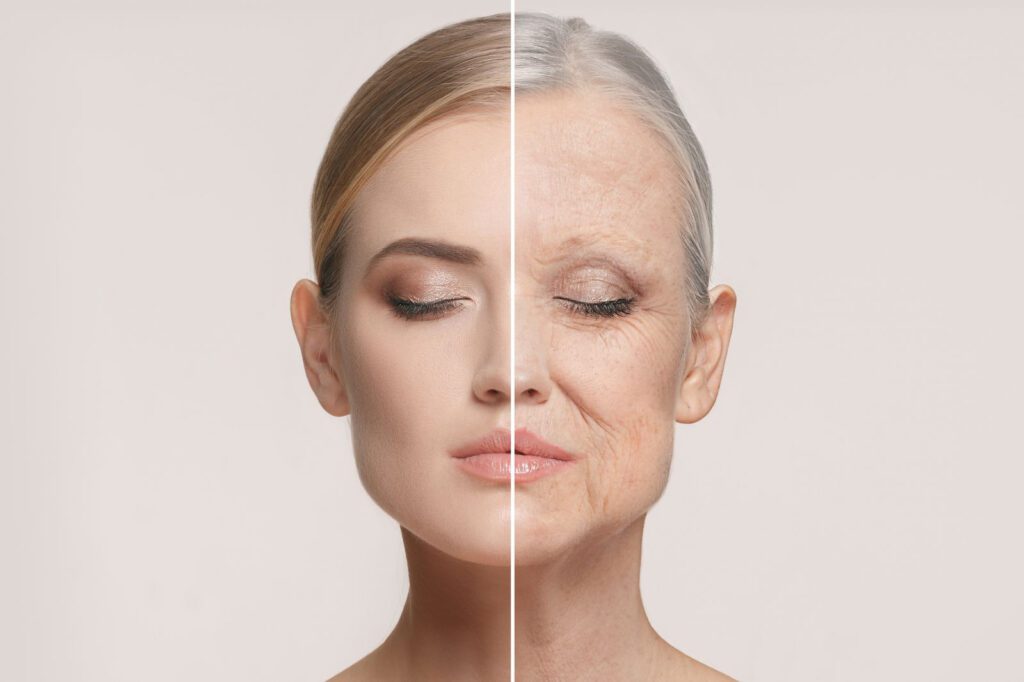
Skin Ageing: Pathophysiology And Existing Market Treatment Methods
Why Your Face Ages And What You Can Do Whether they're called dark places, solar flare or brown places, all spots interfere with a crystal clear complexion. Most sun spots also remain invisible-- deep under the surface of your skin-- taking up to a decade (or even two!) to turn up. That means that by the time you hit your 30s, areas formed in your teens from UV direct exposure will start showing up on your skin. Hormone imbalances caused by pregnancy, birth control, or simply natural aging additionally set off melanin production, the pigment that triggers dark spots. As you get older, your skin gets thinner and drier, and has a more challenging time doing away with old dead skin cells from the surface area. Accordingly, it is expected that age-related diseases will also raise significantly in the coming decades (Fig. 1). Blood circulation issues make it very easy for the skin on your reduced legs and feet to get harmed. If bacteria enter the damaged skin, the entire area can become contaminated. If you have a health problem like diabetes mellitus that makes you recover slower, you could end up with an open aching, or ulcer. The physician will certainly maintain the injury tidy, and in many cases, taxed the location. They work by partly debilitating the muscle mass that develop expression lines so the skin smooths out, although some deep expression lines may not disappear. While a gracefully aging face is a lovely thing, there are modifications that accompany age that we could like to slow down. With age, that fat sheds volume, globs up, and changes downward, so features that were formerly round might sink, and skin that was smooth and tight gets loose and sags. On the other hand various other parts of the face gain fat, particularly the reduced half, so we often tend to get saggy around the chin and jowly in the neck. In addition to the wisdom, experience, and accomplishments that feature growing older, there are changes that happen in our exterior appearance.
Comprehending The Impacts Of Skin Aging
Making use of active ingredients that work at the cellular level to turn over skin cells faster, such as retinol, can help. Given that aging skin can be delicate and conveniently animated, nonetheless, it is essential to make use of a retinol that won't aggravate the skin. Press Restart uses encapsulated retinol, along with 2 retinol options, to deliver the active ingredient deep under the layers of the skin with no irritation. Consistent peeling to dredge up those dead skin cells and reveal the more youthful ones under is also vital. A rapid reduction in collagen levels and various other connective tissues can result in thinner skin and sagging jowls. After a life time of speaking, grinning and chuckling, the location around the mouth is among the initial to reveal signs of Visit the website aging.- In this testimonial article, we have discussed the therapy, around the world newer therapies and marketed formula that are currently readily available for the decrease of skin ageing.
- All of them begin with modifications in the cells and particles that make up all your body's parts.
- At the same time other parts of the face gain fat, particularly the lower half, so we have a tendency to obtain droopy around the chin and jowly in the neck.
- Drink a minimum of 8 glasses of water (or the comparable) every day.
What to massage on face to look younger?
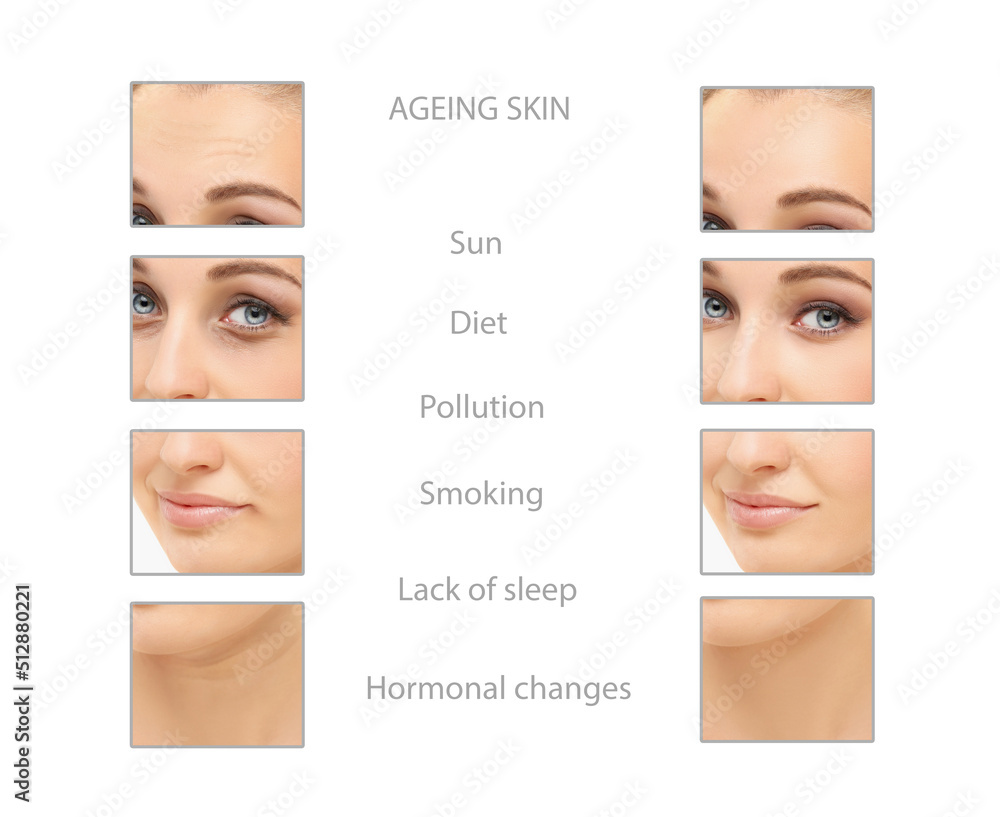
Advantages Of Dermal Fillers For Aging Skin
Collagen is a coarse healthy protein in the body (in fact, it's one of the most bountiful-- 80% of the skin is made up of collagen). Another protein, elastin, is in charge of preserving the framework of our skin cells. This, as it seems, is what gives skin its elasticity-- the capability to stretch and recover to its original form. Even on over cast or indoor days, UVA rays and solar blue light reach the skin, activating the appearance of wrinkles and areas. Choose a high SPF wide range sunscreen with anti-oxidants for additional defense against totally free radical damages. The skin's moisture barrier, part of the outer layer of the skin, plays an important duty when it comes to maturing skin. Not just does it secure the skin from environmental damage, such as contamination and UV rays, but it likewise avoids moisture loss. But due to the deterioration of collagen and elastin in the dermis (which supports this outer layer, the epidermis), our obstacle comes to be compromised, much more conveniently susceptible to damage, and much less able to keep in wetness. Additionally, chemical peels off making use of services like glycolic acid, salicylic acid, and trichloroacetic acid (TCA) scrub the skin, promote cell turn over, and improve complexion and appearance. Various other hormonal agents, including growth hormonal agent and dehydroepiandrosterone (DHEA), also affect skin aging. Growth hormone aids boost cell regeneration and repair, while DHEA is involved in the manufacturing of sebum, contributing to skin hydration and barrier function. Declines in these hormones with age can even more exacerbate the indications of skin aging [22] Genetic aspects put in considerable influence in establishing the price and fashion of aging. Variations in genes associated with DNA repair, antioxidant defense, and metabolic procedures can affect long life and vulnerability to age‐related conditions.